
ETL SLOVAKIA and eInvoicing from 2027
Slovakia is changing the rules. Invoices will no longer be available only as PDFs.
Slovak e-Invoicing for Foreign Entities Starting in 202
For foreign companies, the Slovak VAT ID number is not the only determining factor. The key factor is whether the company merely issues invoices to Slovakia, is registered for VAT under Section 5, or is actually established in Slovakia.
We will help you correctly determine your entity’s status, assess the impact of the new requirement, and establish the next steps without creating an unnecessary technical or procedural burden.
E-invoicing Starting January 1, 2027: It’s Not Just About Invoices, but About Changing Processe
Starting in 2027, e-invoicing will no longer be just a matter of issuing invoices. It will change how documents are received, how data is handled, the approval process, and communication with the accounting department.
Starting January 1, 2027, eFaktúra will be implemented in Slovakia. For many companies, this will be one of the biggest changes in their day-to-day administrative work in recent years.
At first glance, it sounds unremarkable. An invoice is just an invoice. In reality, however, this will be more than just a new document format. It will be a new way of issuing, delivering, receiving, and processing invoices.
Simply put:
PDFs will no longer be sufficient for mandatory cases.
What is e-Invoice?
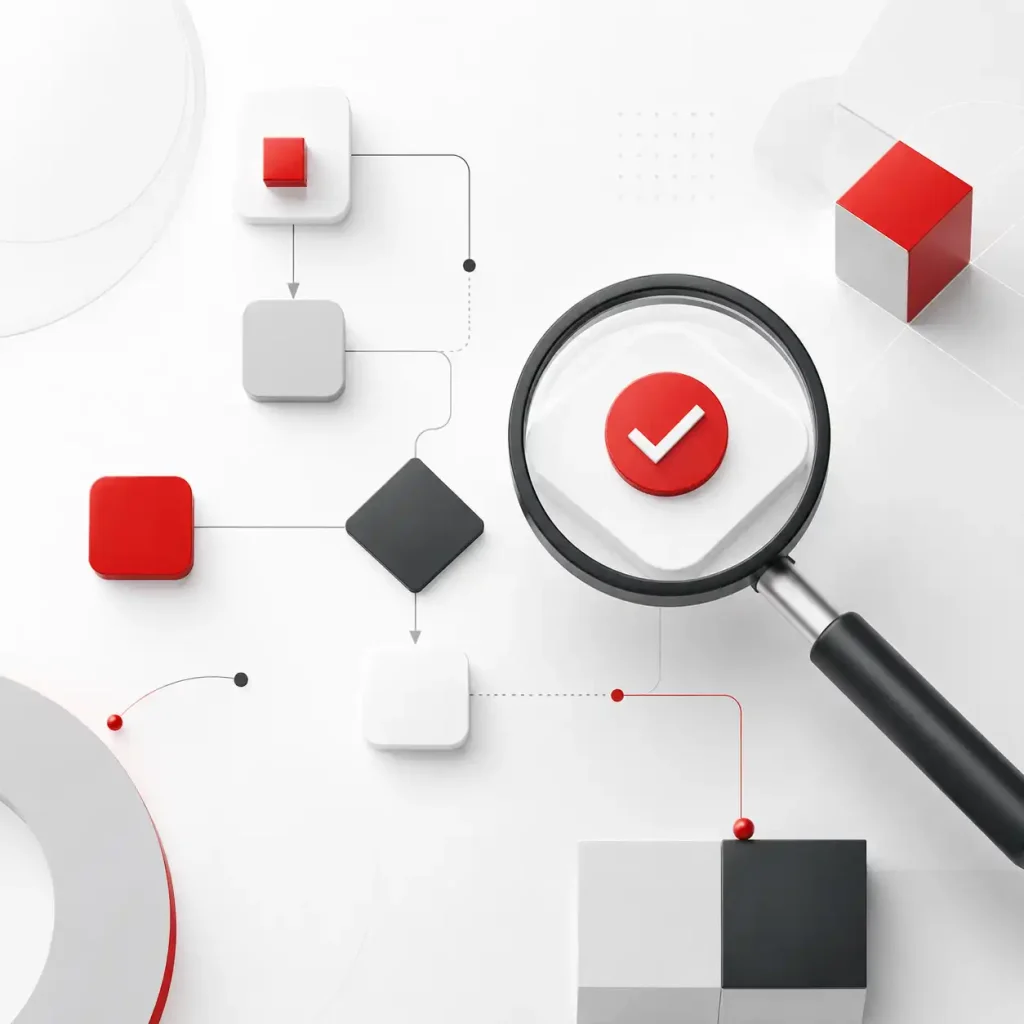
An e-invoice is neither a scanned document nor an invoice sent via email as a PDF. It is a structured electronic document in XML format that the system can automatically read and process.
This means less manual data entry, fewer errors, and more automation.
However, it also means that companies will need to have a new process in place.
Who is affected?
From the general public’s perspective, the most important thing to know is this:
Effective January 1, 2027, e-invoicing applies primarily to:
- companies,
- entrepreneurs,
- self-employed individuals,
- and other entities that issue or receive invoices for domestic transactions.
This does not apply to ordinary consumer purchases.
So if you’re buying shoes, lunch, or a TV as a regular person, your world won’t come crashing down.
However, if you’re a business owner, this change will likely affect you very directly.
The biggest mistake? Thinking it will somehow work itself out
It won’t solve the problem.
Many companies today believe that e-invoicing will be nothing more than a technical adjustment to their software. But the real problem isn’t usually the XML itself. The real problem is usually within the company.
That is precisely why e-invoicing is not just an IT issue. It is a matter of processes, accounting, and practical considerations.
- Who will receive the invoice.
- Whoever sees it.
- Who will check it?
- Who will approve it?
- Who will send it to the accounting department?
- And what happens if it's wrong?
What Will Change in Practice
Going forward, it will no longer be sufficient to simply issue an invoice and send it by email. In cases where it is mandatory, invoices must be delivered through a certified delivery service provider—that is, through a so-called digital mail carrier.
The company will therefore have to address the following:
how it will issue e-invoices,
how he will accept them,
how to display them in a readable format,
once it approves and processes them,
and how to integrate them with accounting, ERP, or internal document workflows.
2026 is not a year to put things off
The year 2026 is a transition period. This is precisely the year to set up processes, test software, select a partner, and prepare internal operations.
Putting off this issue until December 2026 makes about as much sense as waiting to put out a fire on the roof until it’s already burning.
ETL SLOVAKIA: Not Just Explanations, but Practical Solutions, Too
At ETL Slovakia, we are preparing for the implementation of eFaktúra not only from the perspective of tax and process consulting, but also from the perspective of technical solutions.
Thanks to this, we can help our clients not only understand what the law and methodology actually require, but also establish a practical procedure that will work in day-to-day operations.
We are collaborating on the implementation with:
What We Help Clients Set Up
Our job isn’t just to explain what eFaktúra is. Our job is to help companies prepare so that this change doesn’t slow them down.
We primarily provide assistance in the following areas:
determining who is subject to the obligation,
preparation of internal processes,
configuration for receiving and sending e-invoices,
integration with accounting and approval processes,
handling practical situations involving incorrect or disputed documents,
Coordination of tax and technical solutions.
e-Invoicing isn't something to be afraid of. But it shouldn't be underestimated.
The implementation of e-invoicing doesn’t have to be chaotic if it’s prepared in a timely and sensible manner.
The worst-case scenario is to pretend that it’s just a minor technical change that someone else will take care of.
It won’t solve the problem.
The good news is that a properly configured e-invoice system can provide companies with:
- less manual work,
- less errors,
- faster document processing,
- and a better overview of what's happening with invoices at the company.
Get ready before it starts to hurt
Companies that start preparing early will have an advantage during the transition.
Companies that wait until the requirement becomes an urgent problem will face pressure, have to improvise, and incur unnecessary costs.
If you want to know what eFaktúra will mean specifically for your company, we’ll be happy to help you figure out the next steps in a practical, easy-to-understand way—without any unnecessary panic.
info@etl-slovakia.sk